


Last Updated: October 29, 2026
Quick Summary
Most boat camping fishing trips fail because of planning mistakes made before launch, not bad luck or slow fishing. Build a written checklist, run the boat safety check every launch, store tackle properly, plan meals ahead, and check tides, weather and camp legality before committing to a destination.
- Build a categorised boat camping checklist once, save it, and reuse it every trip.
- Pack safety gear, drinking water, fuel and communication devices first because they are non-negotiable.
- Store safety essentials in a sealed dry bag since water quietly ruins gear like first aid kits.
- Cross-check ramp location against tide times and heights so launch and retrieval windows are fixed.
- Carry one versatile setup you know well plus a small box of proven lures and spare line.
Table of Contents
- Why Most Boat Camping Fishing Trips Fail Before Launch
- Mistake 1: Skipping a Proper Boat Camping Checklist
- Mistake 2: Treating the Boat Safety Checklist as Optional
- Mistake 3: Ignoring Fishing Gear Storage Until the Boat Is Loaded
- Mistake 4: Planning Boat Camping Meals on the Drive Out
- Mistake 5: Choosing a Destination Without Checking Tides, Weather and Access
- Mistake 6: Bringing the Wrong Tackle and Too Much of It
- Getting Your Gear Sorted Before the Next Trip
- Frequently Asked Questions
Why Most Boat Camping Fishing Trips Fail Before Launch
Most boat camping fishing trips go wrong before the boat even touches the water. Not because of bad luck, and not because the fish aren't biting.
At Fergo's Tackle World, we help anglers get their gear and plans right.
Below, we'll walk through the six most common boat camping fishing mistakes, plus how to fix each one. Get these right and your next trip stops being a scramble.
Mistake 1: Skipping a Proper Boat Camping Checklist
A boat camping checklist is a written list of every item your trip needs, sorted by category and packed before you leave. Without one, something always gets left on the kitchen bench, and on a boat camping fishing trip, the missing item is usually the one you can't buy at the ramp.
The fix is simple: build the list once, save it, and reuse it every trip. But the list is only half the job. The other half is the preparation workflow around it.
The preparation timeline
Work backwards from launch time. A practical pattern most experienced boat campers follow:
- One week out: confirm the destination, check camp legality and any park rules, book or note ramp access, and check the long-range forecast. Confirm your fishing licence and any permits are current.
- Two to three days out: service and test the boat, fuel, battery, trailer lights, bungs, safety gear. Charge torches and radios. Check life jacket sizes for everyone coming.
- The night before: pack the tackle bag, pre-chop and pre-pack food, freeze water bottles, load the cooler, and lay out clothing layers. Run the boat safety checklist.
The categorised packing list
Use these categories so nothing gets buried:
- Safety: life jackets sized for every person, torch and spare batteries, first aid kit, fire extinguisher, bailing bucket or pump, anchor and rope, marine radio or PLB, sunscreen and hat.
- Fishing: rods, reels, tackle trays, line and leaders, net, knife, pliers, fish measure, and a rag or towel.
- Camping shelter: tent or swag, bedding, ground sheet, pegs, mallet, and a tarp for shade or rain.
Prioritise what you can't replace on the water
Not every item is equal. Safety gear, drinking water, fuel and communication devices are non-negotiable; if they're missing, the trip doesn't launch. Fishing tackle and camp comforts are replaceable or improvable. Pack the non-negotiables first, then fill the space you have left.
Check the list off as you pack, then check it again before you launch. The ten minutes it takes is the cheapest insurance you'll buy all trip.
Mistake 2: Treating the Boat Safety Checklist as Optional
A boat safety checklist is a pre-launch inspection of the equipment that keeps you alive if something goes wrong. Skipping it is the single most dangerous habit in boat camping fishing.
Run through this before every launch:
- Life jackets for everyone on board, correctly sized
- Torch and spare batteries working
- First aid kit stocked and sealed
Watch out: water destroys safety gear quietly. A Daiwa 5L Dry Bag is handy for keeping valuables and essentials safe on the rocks, off the beach, wading creeks, off the kayak or sitting in the boat.

Also check what safety equipment your state maritime authority requires for your vessel size before you head out.
Mistake 3: Ignoring Fishing Gear Storage Until the Boat Is Loaded
Fishing gear storage should be sorted at home, not on the ramp with the engine running. Loose lures, tangled lines and buried pliers waste fishing time and cost you fish.
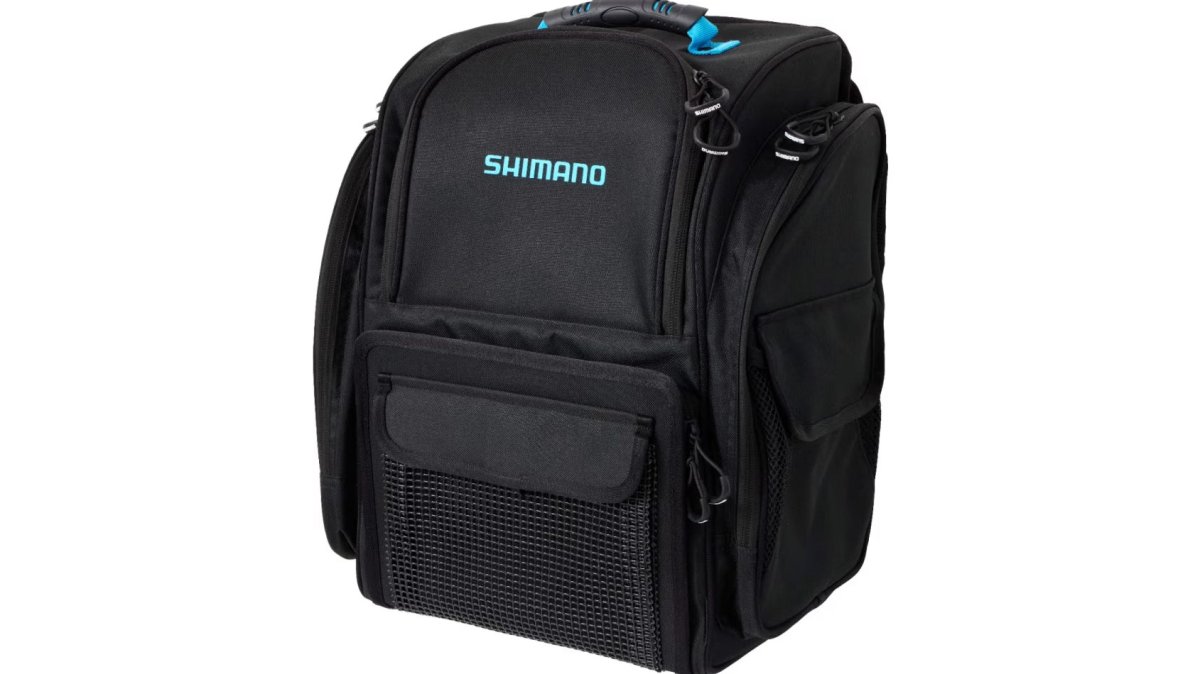
The fix is a dedicated tackle bag with trays. A Shimano Tackle Backpack with Tackle Trays Large holds four large trays with three included, plus side pockets for tools and leaders.

Mistake 4: Planning Boat Camping Meals on the Drive Out
Boat camping meals need a plan before you leave the driveway. Deciding what's for dinner at the boat ramp means you forget half the ingredients and eat cold baked beans for two days.
Keep it simple:
- Plan each meal and write the ingredients down
- Pre-chop and pre-pack what you can at home
- Freeze water bottles to double as ice and drinking water
A Yeti Roadie 15 Hard Cooler fits cans, wine bottles and food on their side, and the Permafrost insulation keeps everything cold. It's small enough to carry down to the beach or fishing spot.

Mistake 5: Choosing a Destination Without Checking Tides, Weather and Access
Picking a camping destination without checking the conditions is how trips turn into rescues. Tides, weather and water access decide whether your spot is paradise or a mudflat, and most boat camping fishing failures trace back to this one decision.
Before you commit, work through the destination on paper, not on the drive out.
1. Match the destination to your vessel and skill level
A sheltered estuary with an all-tide ramp suits a small aluminium boat and a first overnight trip. An exposed coastal launch with a bar crossing demands experience, a seaworthy hull and a backup plan. Be honest about which category you're in. If the ramp dries out at low tide, your launch and retrieval window is fixed; plan around it rather than discovering it at 4 pm.
2. Check access, anchoring and landing options
Ask three questions before you commit:
- Can I launch and retrieve at the tides I'll actually be there for? Cross-check ramp location against tide times and heights.
- Where will the boat sit overnight? Anchoring in a sheltered bay, tying off to a tree, or hauling onto a bank each have different exposure and security trade-offs. A spot that's calm at high tide can be a washing machine by midnight if the wind swings.
- Can I land fish and gear safely? Rocky ledges, steep banks and mud flats all change with the tide. Identify a landing point that works at low tide, not just high.
3. Assess facilities and camp legality
Not every attractive shoreline allows camping. Check whether the land is national park, council-managed, private or a designated camping area, and whether fires, generators and dogs are permitted. A camp kitchen and toilet block turn a good trip into a great one; a site with no facilities means you carry everything in and out. Confirm the rules with the relevant state parks or land management authority before you go, as rules differ by jurisdiction and by park.
4. Read the exposure and weather window
Look at the forecast for the whole trip, not just launch day. Afternoon sea breezes are a common pattern on many coastlines, and an exposed camp that's pleasant at dawn can be uncomfortable by mid-afternoon. Identify a sheltered alternative camp or launch within reach in case the wind turns. Check the marine forecast and any warnings for your area before you leave, and again each morning.
5. Confirm the fishing conditions
Destination selection is also fishing selection. Check the tide stage that fishes best at your spot, the likely species for the season, and whether the area is subject to closures or protected zones. A destination that looks perfect on a map can be a closed area or a seasonal no-take zone; check before you plan the trip around it.
Coastal fishing spots and remote coastline camps can change fast. A spot that looks perfect at high tide can leave your boat stranded by lunchtime, and a destination chosen on the drive out is a destination chosen without any of this information.
Before committing to a spot, work through these destination checks on paper rather than on the drive out.
| Check | What to confirm |
|---|---|
| Vessel and skill match | Sheltered estuary with all-tide ramp suits small aluminium boats |
| Launch and retrieve | Cross-check ramp location against tide times and heights |
| Overnight boat position | Anchoring, tying off or hauling onto a bank each has trade-offs |
| Safe landing | Identify a landing point that works at low tide |
| Camp legality | Check national park, council, private or designated camping area rules |
| Facilities | No facilities means carrying everything in and out |
| Weather window | Check forecast for whole trip, not just launch day |
| Fishing conditions | Check best tide stage, seasonal species and closures |
Mistake 6: Bringing the Wrong Tackle and Too Much of It
Overpacking tackle slows you down. The right approach is one versatile setup you know well, plus a small box of proven lures and spare line.
For most estuary and inshore trips, a general-purpose combo covers you. The Shimano Hyperloop 1002GP + Hyperloop 6000FB Combo is a 6-8kg, 3-metre setup pre-spooled with 15lb monofilament.
Gear selection is about confidence, not quantity. Learn one setup properly and you'll be better prepared on the water.
Getting Your Gear Sorted Before the Next Trip
Boat camping fishing rewards preparation over gear volume. Pack from a checklist, run the safety check every launch, store your tackle properly, plan your meals, check the conditions, and carry one setup you trust.
That's the whole game. Do the boring work before launch and the trip takes care of itself.
If you're still deciding what rod to build your setup around, our guide to the best fishing rod brands in Australia breaks down what's worth buying.
Frequently Asked Questions
What should I pack for a boat camping fishing trip?
Start with a written boat camping checklist covering three groups: safety, fishing and camp. Safety means life jackets for everyone aboard, a first aid kit, torch, VHF radio or EPIRB, and bailing gear. Fishing covers rods, reels, tackle, bait, pliers and a net. Camp covers shelter, bedding, cooking gear, water and food. Add a hard cooler for food and catch, and a dry bag for valuables and clothing. Pack heavy items low and central, and keep safety gear accessible, not buried under camping equipment.
How should I store fishing gear on a boat overnight?
Rinse rods, reels and lures in fresh water at the end of each day to remove salt, then dry them fully before storage. Rods should sit in racks or along the gunwale rather than loose on the deck where they get stepped on. Store tackle in a water-resistant tackle backpack or sealed trays, and keep hooks and lures separate from camping gear. Anything that must stay dry, such as clothing, phone and paperwork, belongs in a dry bag. At night, secure everything that could slide or blow overboard.
What safety equipment should you carry when camping on a boat?
At minimum, carry a life jacket for every person aboard, a first aid kit, a torch or headlamp, bailing equipment, and a way to call for help such as a VHF radio or EPIRB. Check the marine safety requirements for your state, since flare and beacon rules vary. Before a multi-day trip, check the hull, bungs, motor, fuel lines and battery, and tell someone ashore where you are going and when you expect to return. Check the weather forecast each morning and be prepared to change plans.
How do you keep food and bait fresh on a boat camping trip?
Use a quality hard cooler for food and a separate container for bait so the two never mix. Pre-chill food and drinks before loading, use ice or freezer blocks, and keep the lid closed as much as possible. A cooler like the Yeti Roadie 15 suits smaller trips and fits easily on a kayak or small boat. Plan boat camping meals around what holds up well: pre-cooked meals, canned goods, wraps and dry snacks. Store bait out of the sun and keep catch on ice in its own cooler.
Most failed trips come down to planning, not luck. Fergo's Tackle World has been helping anglers get it right since 1960, with expert advice, a massive range of rods, reels and tackle, and a price match guarantee against any Australian-based retailer. Get started with Fergo's Tackle World and launch your next trip with gear you trust.


