


Quick Summary
The best estuary fishing reels depend on your target species, rod size and budget. For most anglers the Shimano Sienna FG offers the best value among the larger reels, while a 2500 size is the safest single-reel compromise for estuary fishing.
- The Shimano Sienna FG starts at $71.99 and has an AR-C spool that reduces wind knots.
- The Shimano FX FC is the cheapest entry point at $47.99 but suits casual fishing best.
- A 2500 size reel handles bream, flathead, school jewfish and smaller salmon.
- Match the reel's maximum drag and line capacity to the exact size you are buying.
- The Shimano Stradic FM has Duracross drag, which the manufacturer says is up to 10 times more durable.
Table of Contents
- Quick Comparison: Best Estuary Fishing Reels at a Glance
- How We Chose These Estuary Fishing Reels
- Estuary Fishing Reel Size: Matching 1000 to 4000 to Your Target Species
- Best Reel for Bream Fishing: Light Drag and Smooth Casting
- Best Reel for Flathead Fishing: Power and Drag Under Load
- Fishing Line for Estuary Fishing: Braid, Mono and Matching Your Reel
- Booking Your Estuary Reel: Stock, Delivery and Price Match at Fergo's
- Frequently Asked Questions
Quick Comparison: Best Estuary Fishing Reels at a Glance
Choosing the right reel for estuary fishing comes down to the species you target, the size of your rod, and how much you want to spend. The table below summarises the Fergo's Tackle World range, with starting prices in AUD. Every price is for the lowest-cost configuration listed on the product page, so check the listing for the exact size you need.
| Reel | Starting Price (AUD) | Reel Size Range | Best For | Standout Feature |
|---|---|---|---|---|
| Shimano Sienna FG | $71.99 | 1000 to 4000 | Budget-conscious anglers and beginners | AR-C spool that reduces wind knots |
| Shimano FX FC | $47.99 | Entry level | Recreational fishing | Roller clutch and Propulsion Spool |
| Shimano Miravel | $155.00 | Five models | Finesse and lure fishing | CI4+ body and Silent Drive |
| Shimano Miravel (2026) | $259.00 | 1000 to C5000 | Active lure fishing | INFINITYDRIVE for lighter winding |
| Shimano Stradic FM | $331.00 | Multiple sizes | Heavy-duty all-round use | Duracross drag, up to 10 times more durable |
| Shimano Vanford FA | $343.00 | Six models, including 500 | Finesse fishing | Ci4+ material and Anti-Twist Fin |
| Daiwa Crossfire SW | $109.99 | Boat and surf models | Affordable saltwater fishing | Composite body, corrosion free |
| Daiwa BG MQ | $249.00 | 2500 to 20000 | Harsh saltwater conditions | Monocoque body and Long Cast ABS spool |
| Daiwa 23 Airity | $799.00 | 2000 to 5000 | Refined light tackle and inshore fishing | Magnesium body, weighing under 150g |
If you are unsure where to start, the Shimano Sienna FG gives the most value for money among the larger reels. The Shimano FX FC is the cheapest entry point, though it is better suited to casual fishing than to demanding estuary conditions.
How We Chose These Estuary Fishing Reels
We based our selection on the specifications published on each product page: body material, gear design, drag system, bearing count and the species each reel is marketed for. We did not include a reel unless its listing mentions use in estuary, inshore or saltwater conditions, or a size range that suits typical estuary species.
We also considered who each reel is built for. A reel that suits a 14-year-old on a family outing has different needs from one a spearfishing enthusiast would take on a longer trip. Price matters, but so does the drag rating, corrosion resistance and how well the reel suits the rod you already own.
The picks below are based on the manufacturer's published specifications for each reel.
Estuary Fishing Reel Size: Matching 1000 to 4000 to Your Target Species
Reel size is not just a number on the box, it determines how much line you can hold, how much drag you can apply, and how balanced the outfit feels over a long session. In estuaries, where casts are often short and accurate rather than long and powerful, the wrong size can make a reel feel either toy-like or unwieldy.
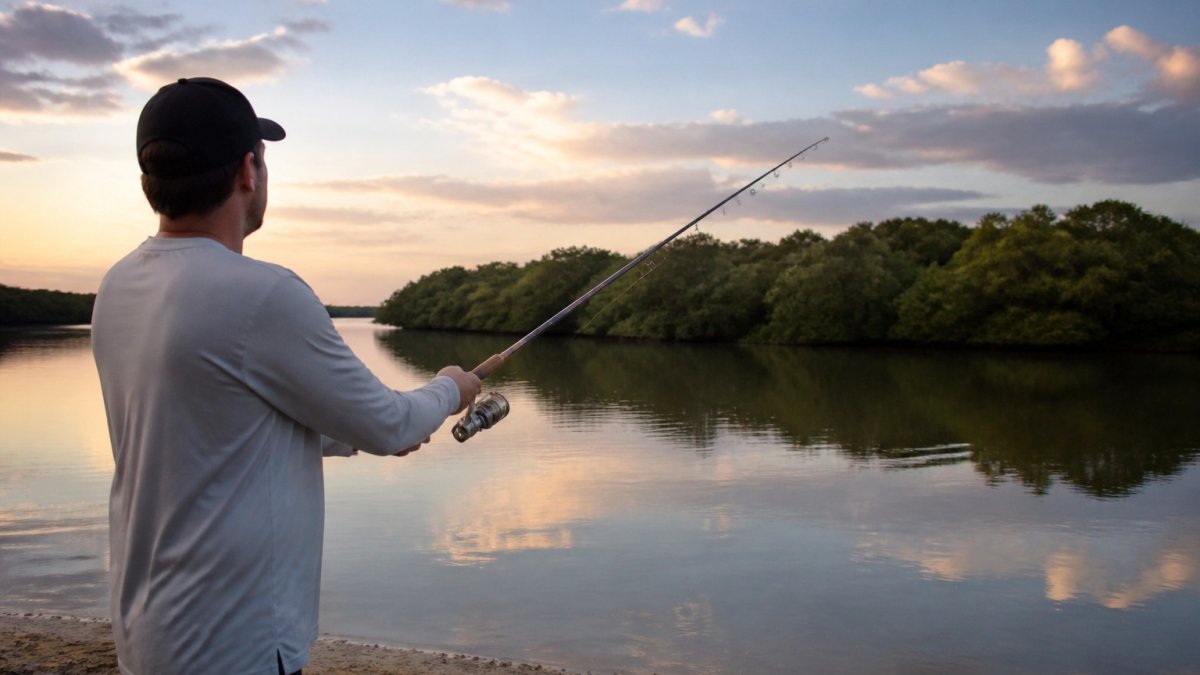
As a working guide for estuary species and techniques:
- 1000 to 2000 size: Best for bream, whiting, and light lure work around structure. These reels typically hold 100-200 m of 4-8 lb braid and deliver 2-4 kg of drag. They suit 6'6" to 7' rods rated 1-3 kg and are ideal when you need finesse and a slow, precise retrieve.
- 2500 size: The most versatile estuary size. It handles bream, flathead, school jewfish, and smaller salmon, with line capacity around 150-200 m of 8-10 lb braid and drag ratings of 4-6 kg. Pair it with a 7' rod rated 2-4 kg for a do-everything outfit.
- 3000 to 4000 size: For larger flathead, salmon, tailor, and light offshore work at estuary mouths. Expect 5-8 kg of drag and capacity for 200 m of 10-15 lb braid. These sizes suit 7' to 7'6" rods rated 3-6 kg and are the better choice when you are casting heavier lures or bait near snags and deeper channels.
Beyond the size number, check three specifications before you buy:
- Drag rating: Match the reel's maximum drag to the line class you intend to use. A reel with 8 kg of drag paired with 4 lb line is wasted; a reel with 3 kg of drag on 15 lb line may not stop a big flathead near structure.
- Line capacity: Estuary fish rarely run 100 m, but a reel that holds only 80 m of your chosen braid leaves little margin. Aim for at least 150 m of working line on 2500 and 3000 sizes.
- Gear ratio and retrieve rate: A 5.0:1 to 5.3:1 ratio gives about 70-80 cm of line per turn on a 2500 size, good for slow-rolling soft plastics. A 6.0:1 or faster ratio (85-95 cm per turn) suits working lures quickly or picking up slack before a hook-set.
A common pattern among estuary anglers is to own two outfits: a 1000 or 2000 for bream and whiting, and a 2500 or 3000 for flathead and salmon. That covers most situations without overloading any single reel. If you are buying one reel only, a 2500 is the safest compromise, it is light enough for finesse and strong enough for most estuary by-catch.
Finally, match the reel to your rod's line rating. A 4000-size reel on a 1-3 kg rod will feel top-heavy and may overload the rod's guides under pressure. A 1000-size reel on a 4-6 kg rod will struggle to apply enough drag to turn a larger fish. The reel, rod, and line should be chosen as a system, not in isolation. Balancing your tackle extends to the lures you cast, where selecting the correct swimbait size guide ensures your presentation remains effective against the varying resistance of tidal flows.
Best Reel for Bream Fishing: Light Drag and Smooth Casting
Bream reward a light touch. They feed close to structure in estuaries, and a smooth-casting reel with a fine drag lets you place a small lure accurately without spooking fish.
The Shimano Miravel is a sensible fit here. It uses a CI4+ body and side plate to keep weight down, and Silent Drive technology gives smoother operation through finer gear tolerances. Shimano markets it for finesse fishing in freshwater and inshore saltwater, which describes bream fishing well.
Best for: anglers who fish small lures and want a lightweight reel that handles inshore saltwater. Skip if: you are mainly targeting large flathead or fishing heavy structure, where a stronger drag is needed.
Best Reel for Flathead Fishing: Power and Drag Under Load
Flathead fight hard in short bursts and often pull toward snags. You need a reel with a strong drag and gears that hold up under pressure.
The Shimano Stradic FM is the most strong option in this range. Its Duracross drag is built to resist wear, and Shimano describes it as up to 10 times more durable than conventional drag washers. The Hagane Gears are cold-forged for strength, and the X Protect coating helps guard against water in key areas.
The Daiwa 20 BG MQ has a Monocoque body that removes the traditional side plate, which the manufacturer says improves body strength and weather-sealing.
Best for: anglers who regularly fight larger flathead and want a drag that stays consistent. Skip if: you only fish occasionally or on a tight budget, since these reels cost considerably more than the entry-level options.
Fishing Line for Estuary Fishing: Braid, Mono and Matching Your Reel
Line choice is where reel selection meets real-world performance. Most estuary anglers now use braid as their main line because it has almost no stretch, gives better bite sensitivity, and cuts through current with less drag.
Braid and spool design. Braid is thin and slippery, so it can slip on a spool if not backed properly. The Shimano Sienna FG has an AR-C spool, which the manufacturer says helps prevent wind knots with braided line.
Monofilament and fluorocarbon. Mono is more forgiving, stretches under load, and sinks slowly, useful for bait fishing or when you want a softer presentation. Fluorocarbon is denser and less visible underwater, making it a good choice for leader material in clear estuary water.
Matching line to drag and target species. A reel's drag rating is a guide, not a target. For bream and whiting, 4-8 lb braid with a 2-4 kg drag setting is ample.
Line capacity and backing. Estuary fish rarely take more than 50 m of line, but a reel that holds only 80 m leaves no margin for a missed cast or a fouled spool. Aim for at least 150 m of working braid on 2500 and 3000 sizes.
Pre-spooled outfits. The Shimano FX FC is available as a pre-spooled outfit, which removes the guesswork for beginners. Pre-spooled reels are convenient, but check what line is fitted, some use monofilament, which may not suit lure casting.
Finally, consider line colour. Bright braid is easier to see when watching your line for bites, but it can spook fish in clear water. A fluorocarbon leader of 1-2 m solves that trade-off and is standard practice for estuary lure fishing.
Booking Your Estuary Reel: Stock, Delivery and Price Match at Fergo's
Once you have chosen a reel, you can order online or visit one of our stores in Wollongong or Taren Point. Fergo's Tackle World will price match any Australian-based retailer, so if you find the same reel cheaper elsewhere, ask our team how we can help. For details on how the guarantee works, read our fishing tackle price match guarantee explained.
Our team can also help you choose between sizes and models. Browse the full Shimano Sienna FG spin reel range for an entry point, or compare higher-end options such as the Shimano Stradic FM spin reel if you need more drag for heavier fish.


Frequently Asked Questions
What type of reel is best for estuary fishing?
A spinning reel is the most versatile choice for estuary fishing. It handles lures, soft plastics and bait, and it suits the mix of species found in estuaries. Shimano Sienna FG spin reels, available from $71.99, are a budget-friendly option that the listing describes for species such as whiting, bass and flathead in the estuaries. For anglers who want smoother drag and lighter reeling, the Shimano Stradic FM ($331.00) and the Daiwa 20 BG MQ ($249.00) are higher-end options. Match the reel size to the species you target rather than choosing the most expensive model.
What size reel is best for bream and flathead?
Bream are usually targeted on light tackle, so a 1000 or 2000 size reel is a good fit. Flathead are stronger and benefit from a 2500 or 3000 size reel with a more robust drag. The Shimano Sienna FG is available in 1000, 2000, 2500, C3000 and 4000 sizes, with drag ratings between 3 and 8.5kg depending on size. Check the drag rating against the fish you expect to land before buying.
What fishing line should I use for estuary fishing?
Braided line gives sensitivity and casting distance, while monofilament gives stretch and is more forgiving on light hooksets. Many estuary anglers use braid on the reel with a fluorocarbon leader for abrasion resistance around structure. Spool capacity matters too, so choose line rated to the reel size.
Can I use the same reel for estuary and beach fishing?
Yes, a 3000 or 4000 size spinning reel can cover both estuary and beach work, because the drag and line capacity suit a wide range of species. The Shimano Miravel C5000XGA is listed for light shore jigging and light shore casting. A lighter 1000 or 2000 reel is better kept for estuary bream and whiting only.


